
SKINS-I
These works are the result of transferring all the paint residues and incidental marks that accumulate on the plastic sheets I use to cover my studio walls while working on other paintings. These plastics function as temporary working surfaces and, over time, they collect the inevitable marks of my creative process: color tests, accidental stains, drips, runs, and remnants of paint produced while I work on other pieces. Once these surfaces have accumulated enough activity, I apply thick layers of acrylic paint over them. As it dries, the paint forms a flexible film that can be easily peeled away from the plastic, carrying with it all the marks that have been deposited over time. I then adhere these skins to the final canvases.
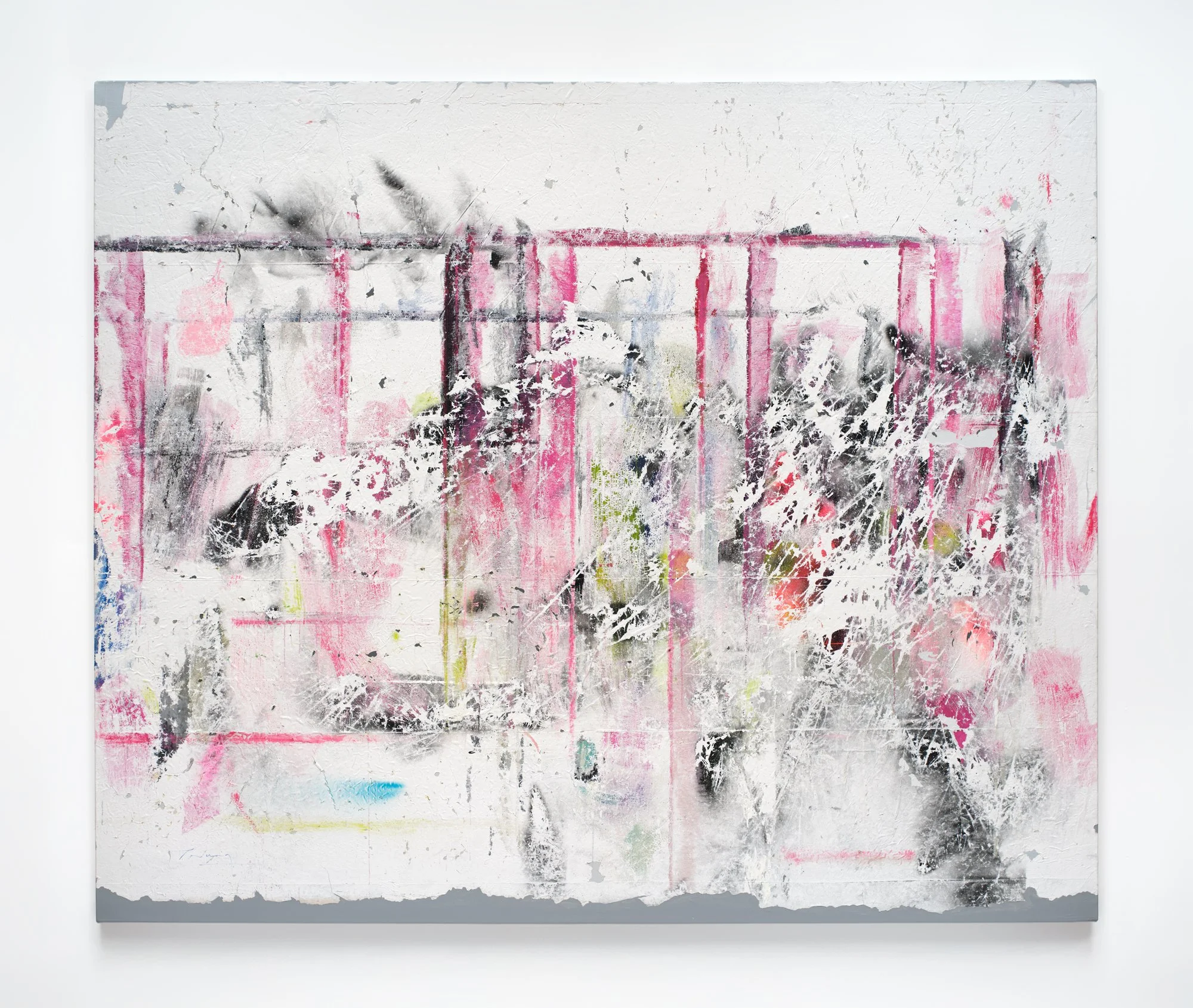
Skin-I
Acrylic, oil, spray and markers on canvas.
254 x 214 cm / 100 x 84 Inches
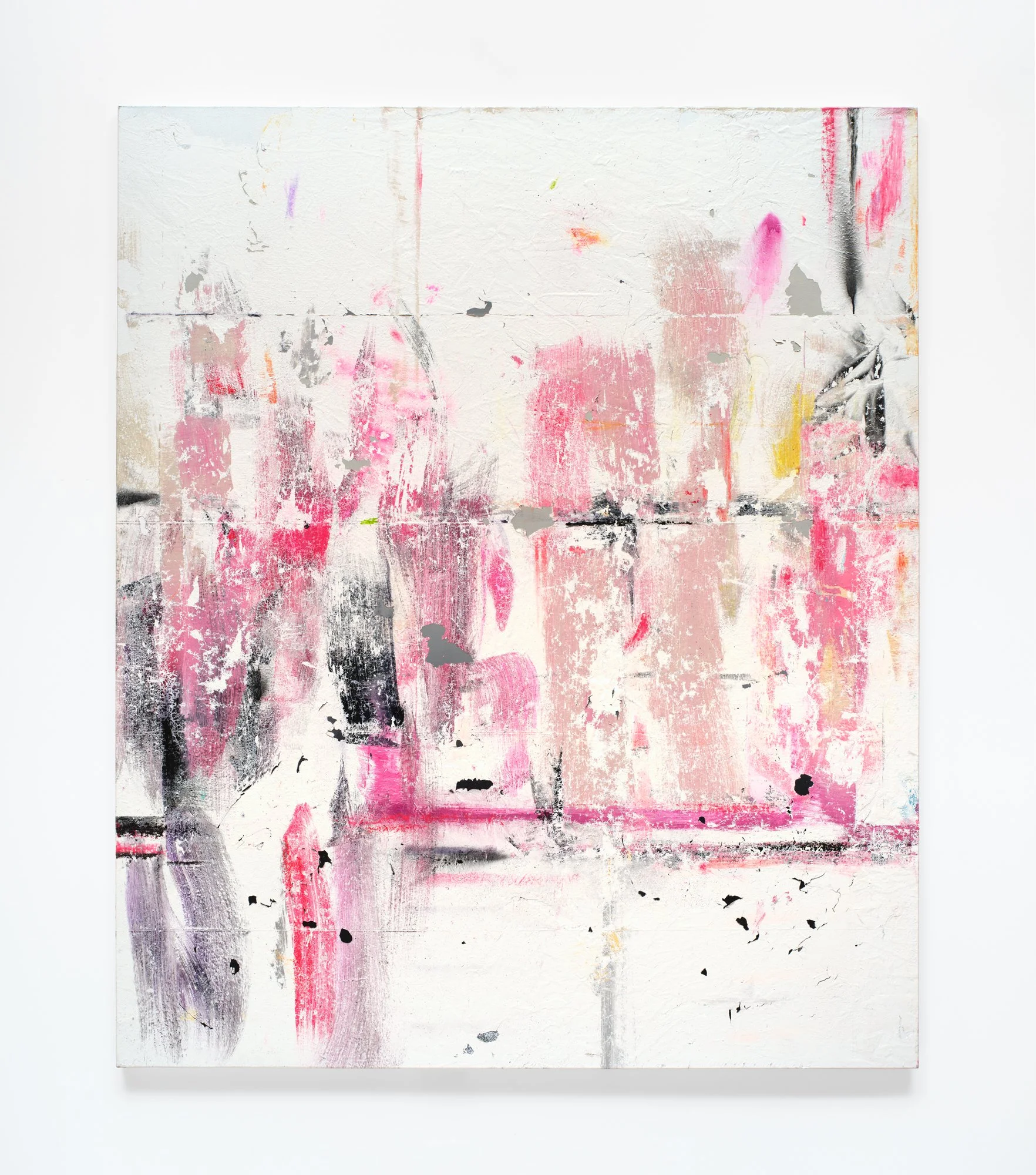
Skin-II
Acrylic, oil, spray and markers on canvas.
183 x 153 cm. / 72 x 60 Inches.
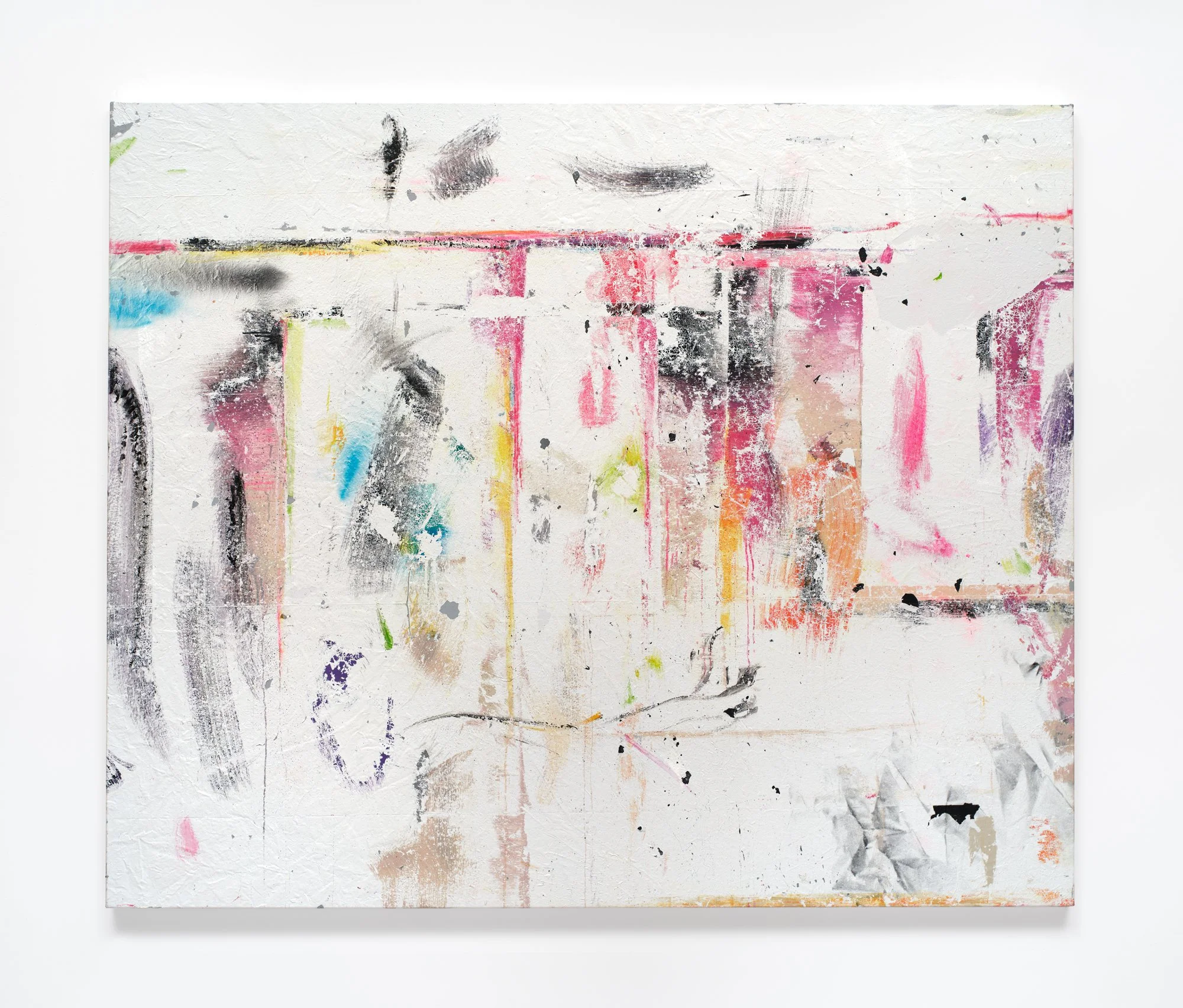
Skin-III
Acrylic, oil, spray and markers on canvas.
183 x 153 cm. / 72 x 60 Inches.
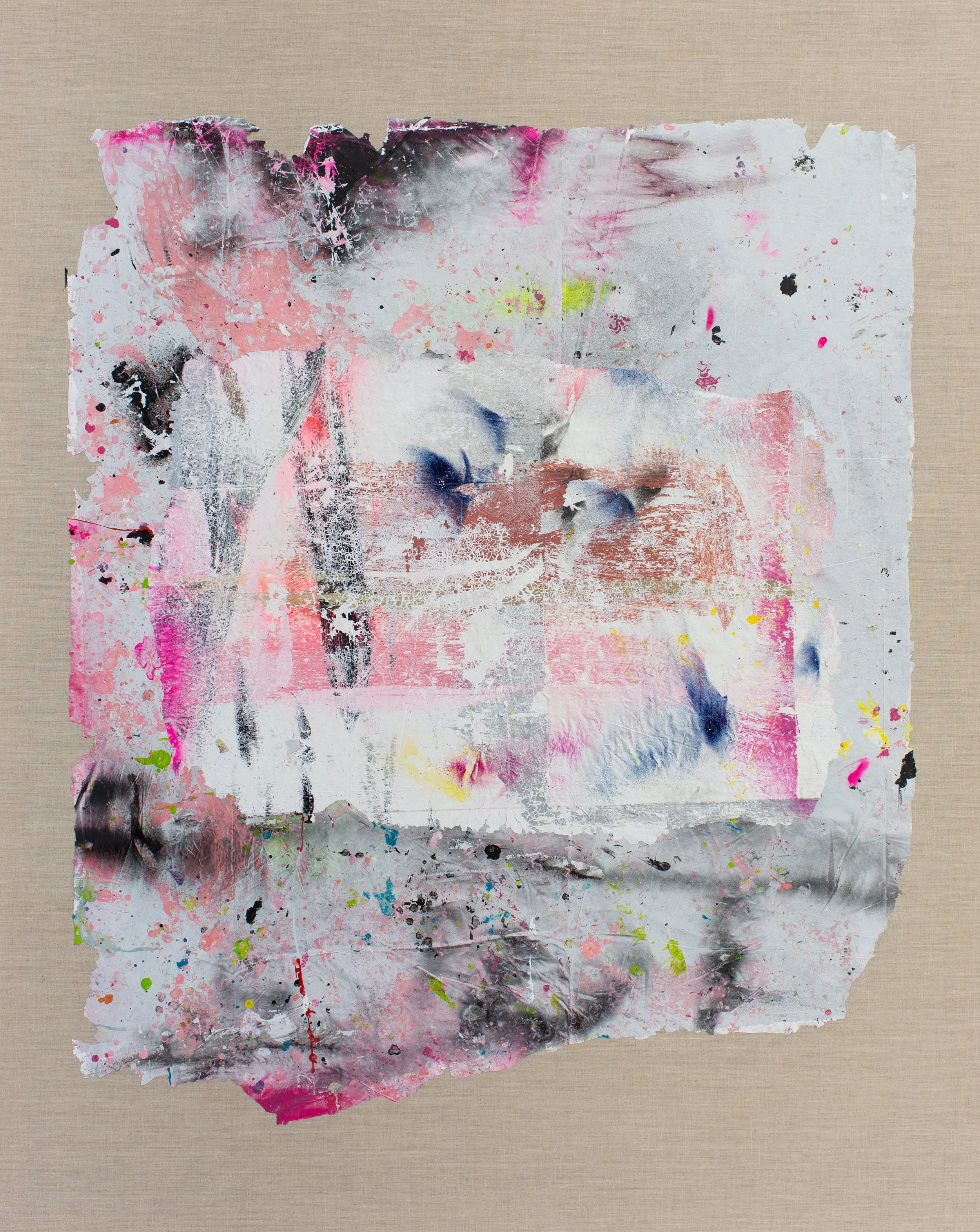
Skin IV
Acrylic paint, oil paint, spray and markers
153 x 122 cm / 60 x 48 Inches.
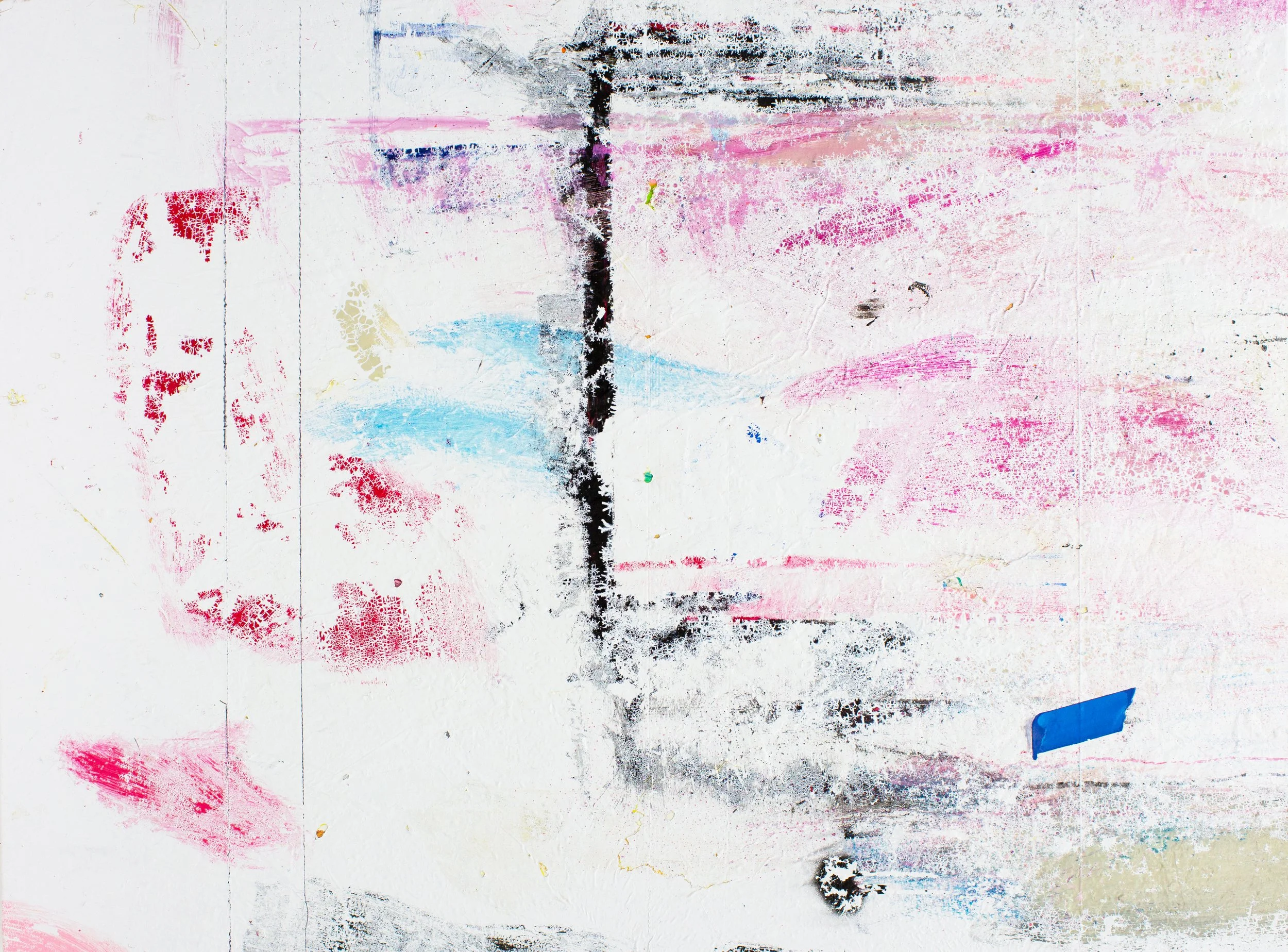
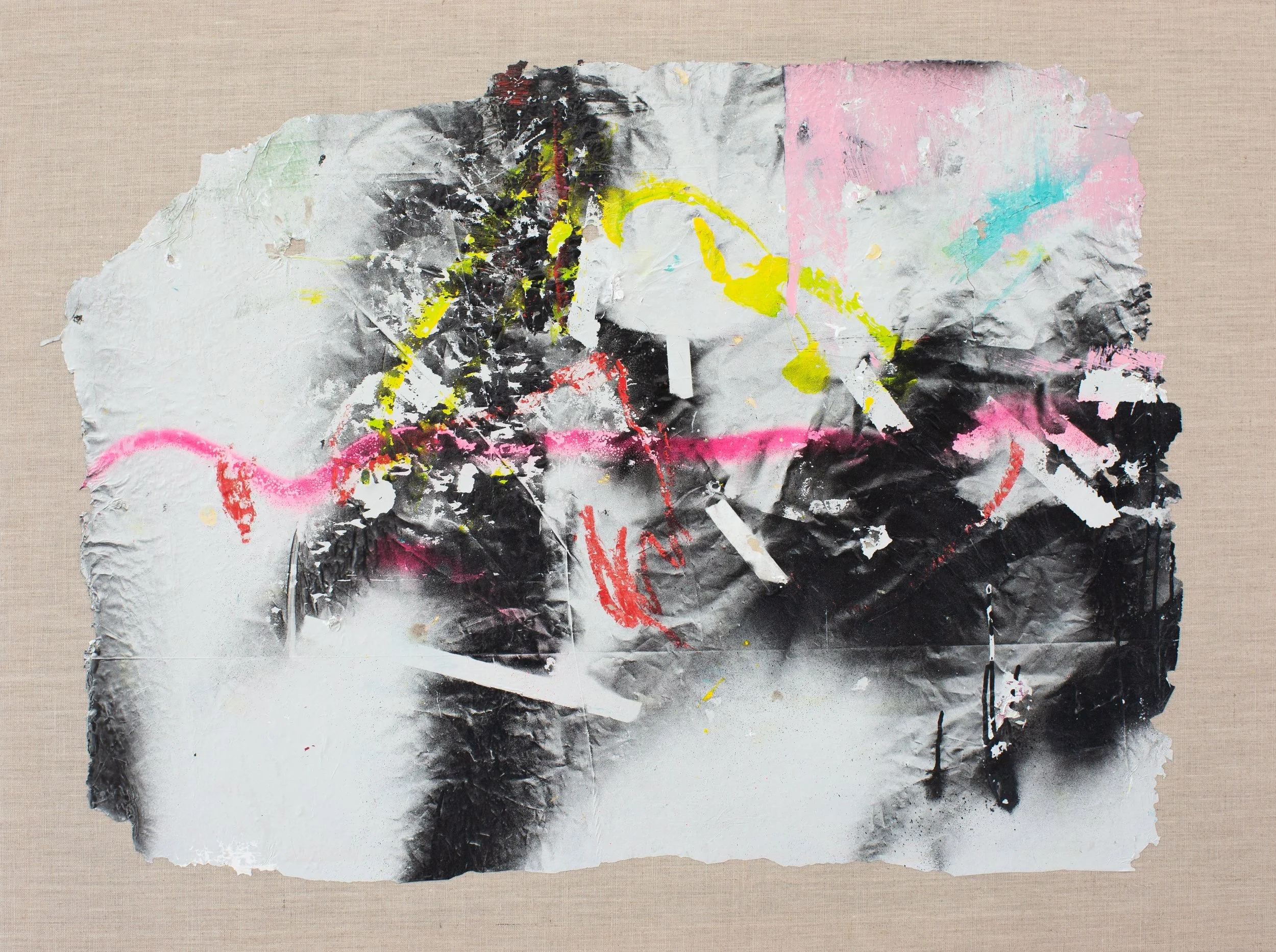
Skin IV
Acrylic paint, oil paint, spray and markers
122 x 91 cm. / 48 x 36 Inches.
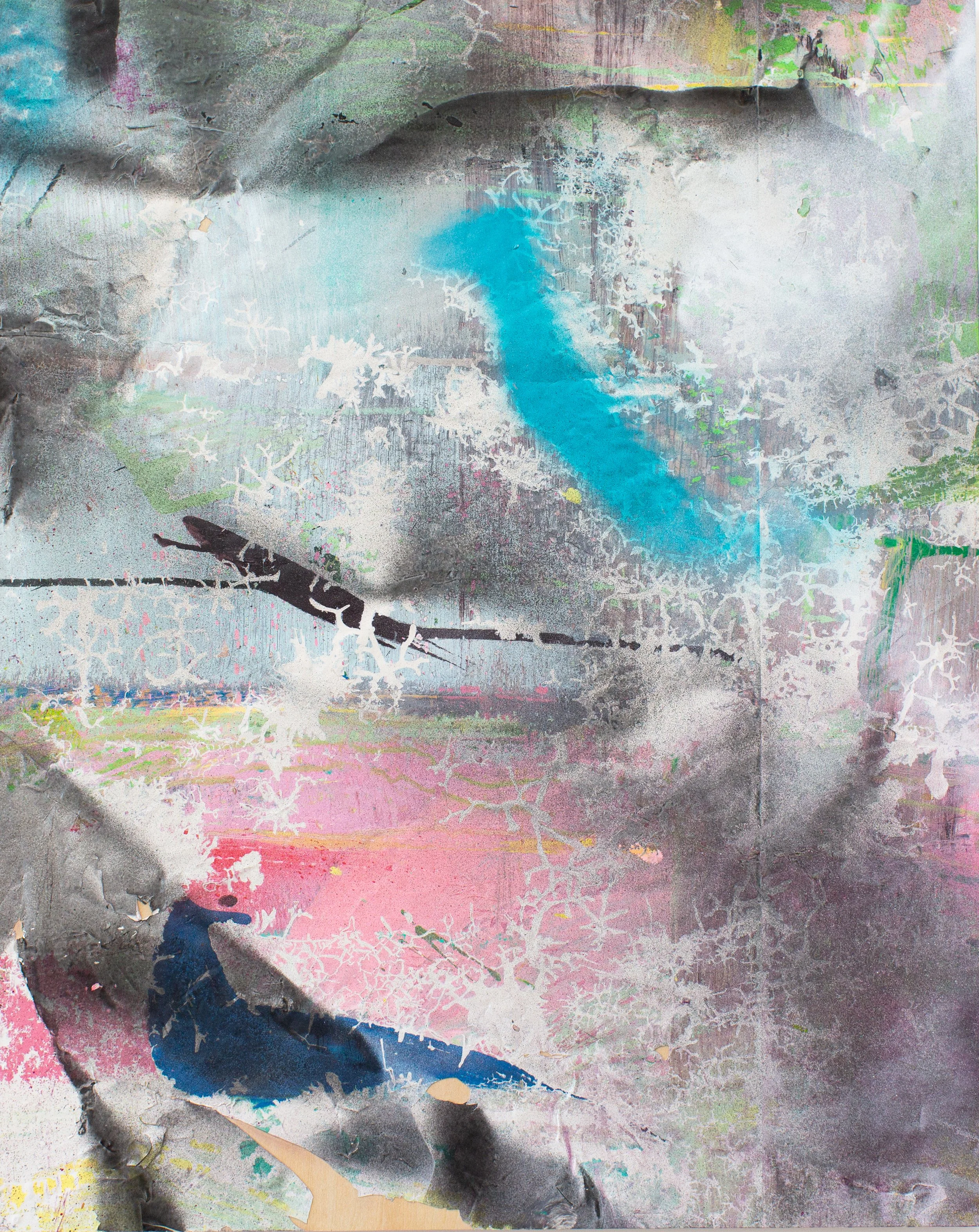
Skin V
Acrylic paint, oil paint, spray and markers
122 x 91 cm. / 48 x 36 Inches.
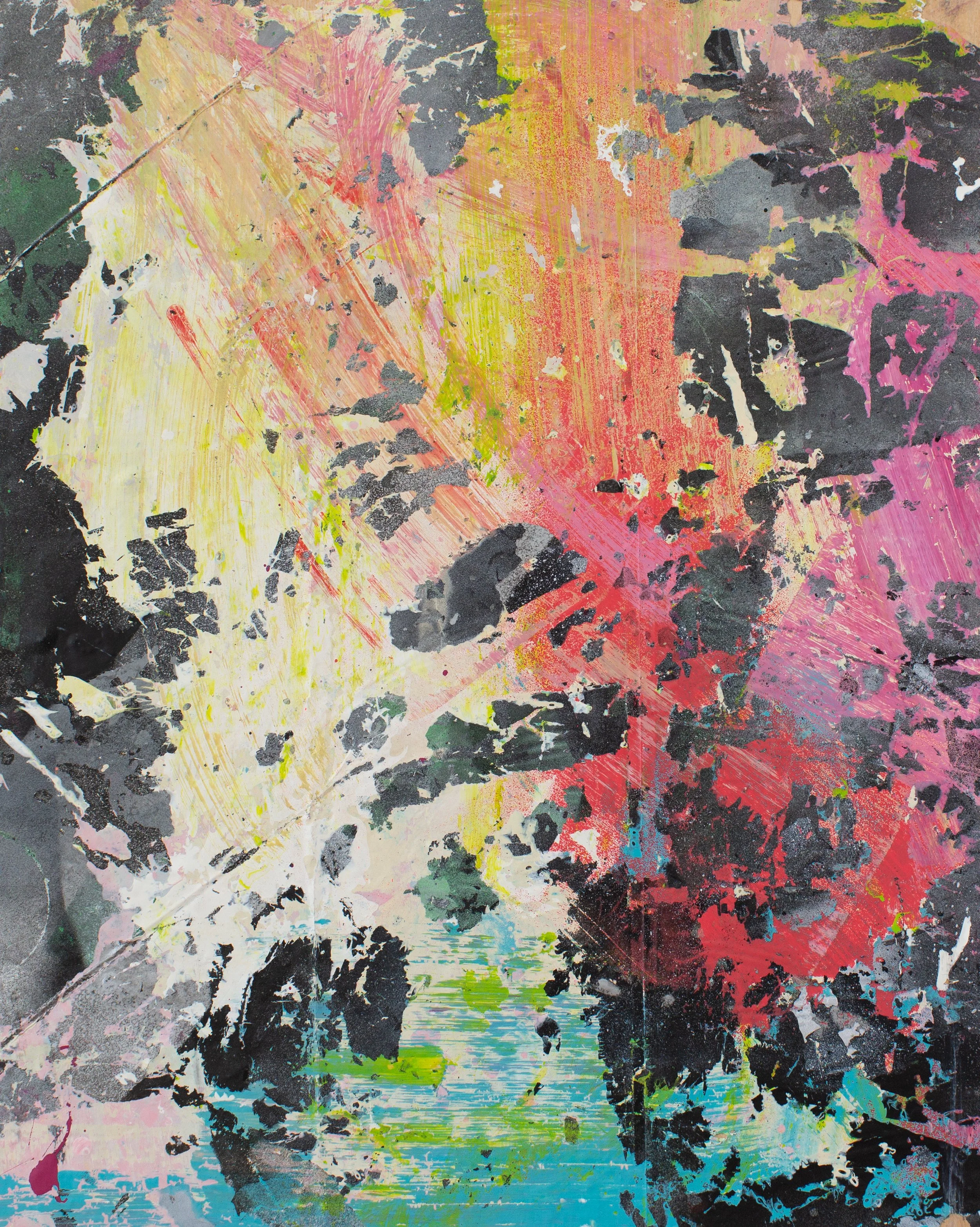
Skin XIX
Acrylic paint, oil paint, spray
61 x 51 cm / 20 x 16 Inches.
Skin IX
Acrylic paint, oil paint, spray
61 x 51 cm / 20 x 16 Inches.
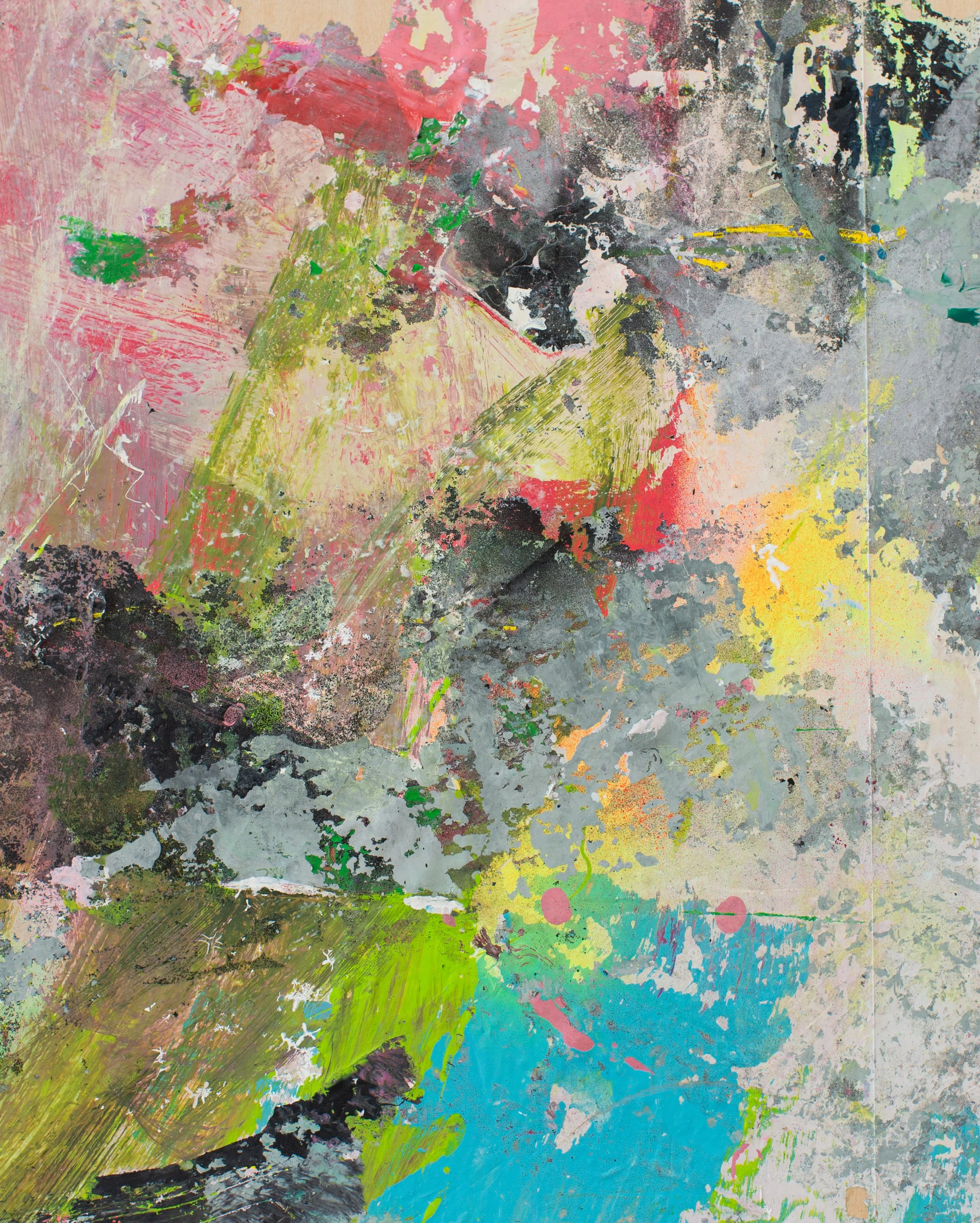
Skin VIII
Acrylic paint, oil paint, spray
61 x 51 cm / 20 x 16 Inches.
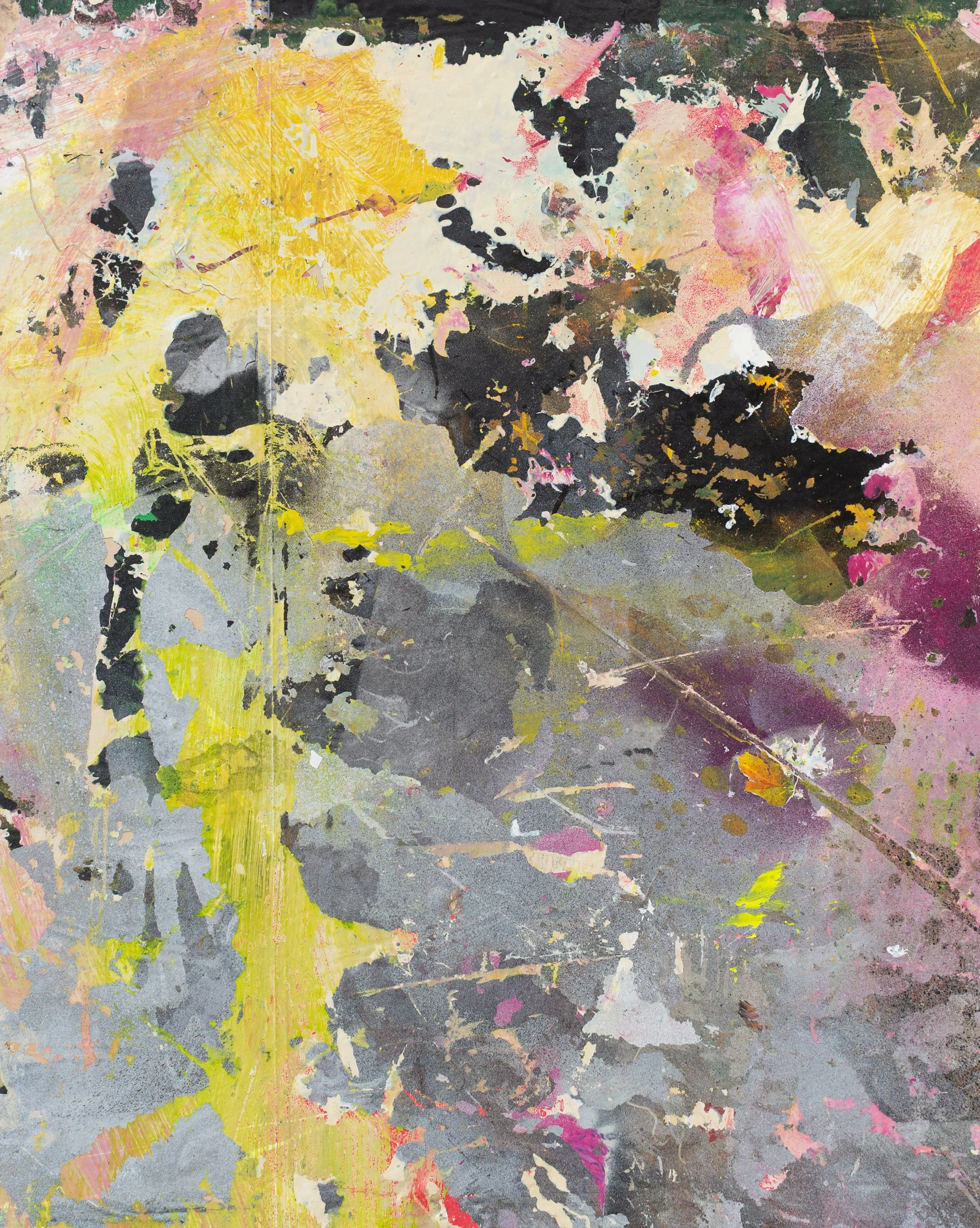
Skin VI
Acrylic paint, oil paint, spray
61 x 51 cm / 20 x 16 Inches.
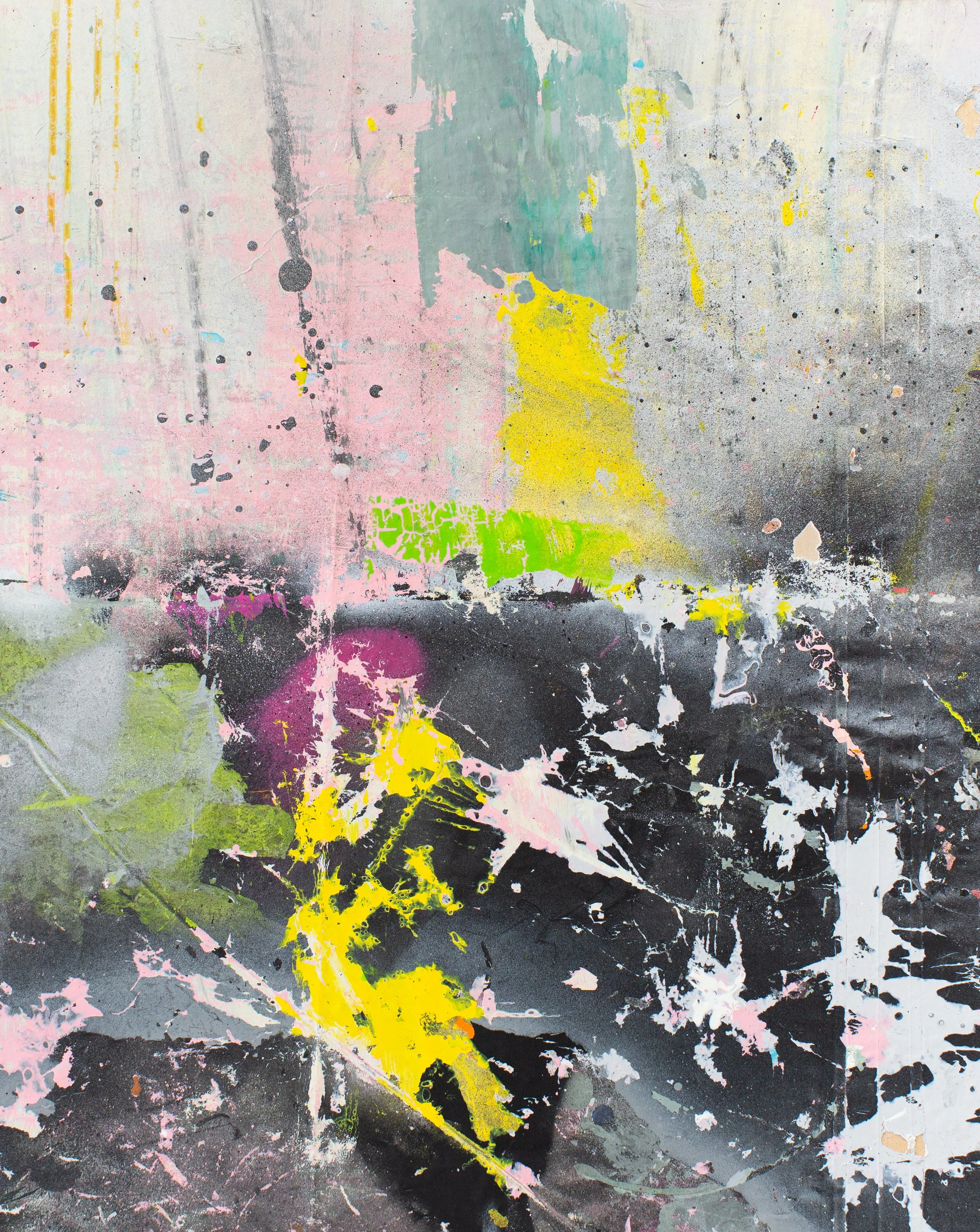
Skin X
Acrylic paint, oil paint, spray
61 x 51 cm / 20 x 16 Inches.
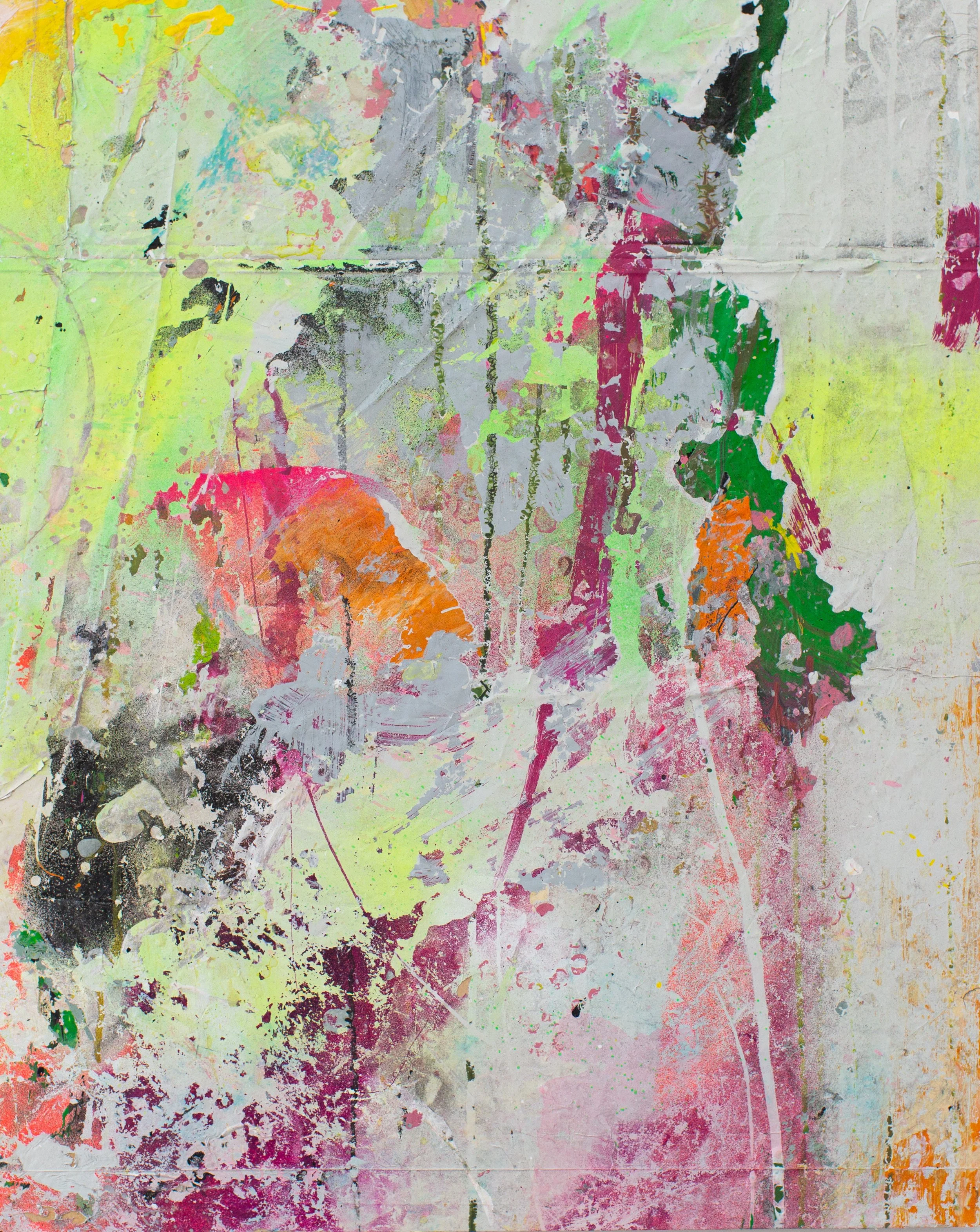
Skin XVI
Acrylic paint, oil paint, spray
61 x 51 cm / 20 x 16 Inches.
SKIN II SERIES
The paint marks that accumulate on the floors and walls of an artist's studio are perhaps the most honest record of an artist's practice. They involuntarily preserve gestures, decisions, accidents, experiments, and the passage of time. These surfaces absorb the memory of everything that takes place during the act of making without ever having been intended as works of art. The same can be said of any working process: there is always a place where the traces of an activity are deposited, usually remaining unseen. Skins I emerges from this idea, placing process at the very center of the work.
To create these pieces, I cover the walls of my studio with large sheets of plastic while continuing to work on other paintings. Over time, these temporary surfaces accumulate the physical evidence of my daily practice: splatters, drips, corrections, color tests, unconscious gestures, and countless accidental marks produced through the act of painting. Once these plastics have recorded enough activity, I apply several layers of white acrylic paint over them, matching the color of the studio walls. After drying, the paint can be peeled away as a single flexible skin, carrying with it every mark and stain previously deposited on its surface. These paint skins are then adhered to the final canvas.
Skins I begins with a fundamental question: where does a painting truly reside? Traditionally, the artwork has been understood as what the artist chooses to present, while everything belonging to the process is relegated to the status of residue. Yet it is precisely these remains that contain the most direct and least mediated evidence of artistic practice. Where there is no intention to represent, another kind of truth emerges: the truth of the event itself.
In this sense, the works shift the focus away from the image and toward the experience that makes it possible. What matters is no longer what painting represents, but what it records. Every mark functions as an index of a past action, the physical trace of a body working within a specific place and moment in time. A trace does not represent an event but is the material persistence of its passage. Likewise, these surfaces preserve a memory that has not been narrated but literally deposited.
These works do not seek to represent something, but to present it. They are fragments of real time condensed into matter. Each skin preserves the physical memory of an unrepeatable activity, transforming what was once provisional into a permanent presence. Skins I proposes painting not simply as an image, but as a body capable of containing time, action, and memory; a place where process ceases to be the path toward the work and becomes the work itself.